
Summer heat can be brutal, and when your air conditioner decides to quit, it’s more than just an inconvenience – it’s a serious problem. Suddenly, your cool oasis turns into a sauna. Don’t panic, though. There are steps you can take right away to try and fix it or at least make the situation bearable until help arrives. This guide will walk you through what to do when your AC gives up the ghost, from simple checks to knowing when you absolutely need a pro for an emergency AC repair.
Key Takeaways
-
First, check your thermostat settings and the circuit breaker when your AC stops working.
-
Make sure your air filters are clean and there’s no junk blocking the outdoor unit.
-
Look out for signs like ice on the coils, which might mean a bigger issue.
-
Know when it’s time to call a professional for an emergency AC repair instead of trying to fix it yourself.
-
If you can’t get your AC fixed quickly, focus on staying cool with fans, drinking water, and finding cooler spots.
Immediate Steps When Your AC Fails
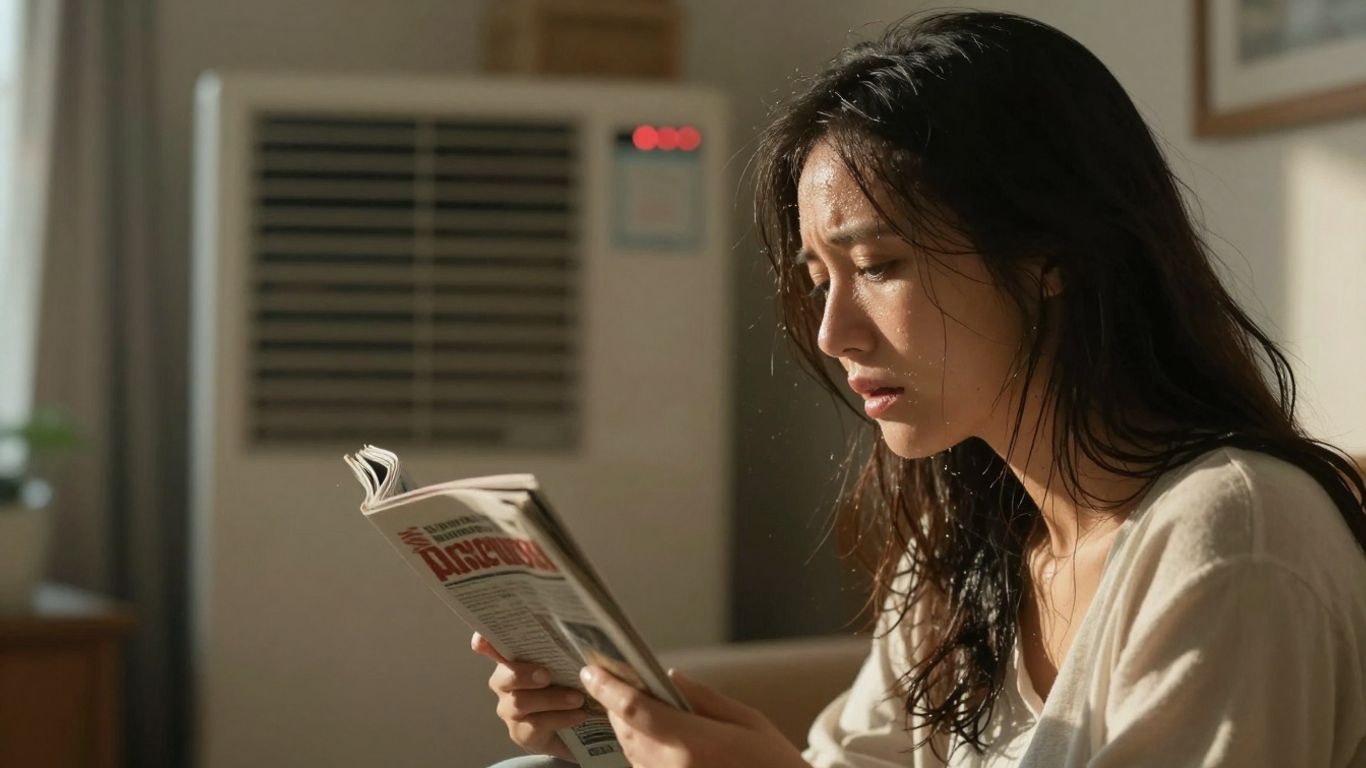
So, your air conditioner just decided to take a vacation in the middle of a heatwave. Bummer. Before you start panicking or calling for emergency repairs right away, there are a few simple things you can check yourself. These initial checks might just save you a service call fee.
Check The Thermostat Settings
First things first, take a look at your thermostat. It sounds obvious, but sometimes the simplest explanation is the right one. Is it set to ‘Cool’? Is the temperature set lower than the current room temperature? Sometimes, a pet or even a child might have fiddled with it, or maybe it just reset itself. Make sure it’s actually telling the AC to turn on and cool things down.
Inspect The Circuit Breaker
Next up, head over to your home’s electrical panel. You’re looking for the circuit breaker that controls your air conditioning unit. Sometimes, these breakers can trip, cutting off power to the AC. If you find the breaker in the ‘off’ position, try flipping it back to ‘on’. If it trips again right away, that’s a sign of a bigger electrical problem, and you’ll definitely want to call an electrician or AC professional.
Ensure Vents Are Open
This one’s pretty straightforward. Go around your house and check all the air vents. Are they open? Sometimes, people close vents in rooms they don’t use often, but if they’re closed in the main living areas, it can really mess with airflow. Also, make sure nothing is blocking them, like furniture or curtains. Good airflow is key for your AC to do its job properly.
If your AC isn’t blowing any air at all, even after checking these things, it might be a sign of a more serious issue. Don’t ignore it, as it could lead to more damage.
These quick checks are a good starting point for any homeowner when their AC suddenly stops working. They’re easy to do and can sometimes resolve the issue without needing any professional help. If none of these steps get your AC running again, it’s time to move on to some more in-depth troubleshooting or consider calling in the pros. You can find more tips on what to do when your AC fails here.
Troubleshooting Common AC Issues
Okay, so your air conditioner decided to take a siesta in the middle of a heatwave. Bummer. Before you start panicking and calling for a repair person, let’s see if we can figure out what’s going on ourselves. Sometimes, it’s something pretty simple.
Clean Or Replace Air Filters
This is probably the most common culprit, honestly. A clogged air filter is like trying to breathe through a dirty sock – it just restricts airflow. When that happens, your AC has to work way harder, and it can even lead to bigger problems down the line, like freezing up.
-
Check your air filter regularly, especially during peak summer months.
-
Look for dust and debris buildup. If it looks grimy, it’s time for a change.
-
Make sure you’re using the right size filter for your unit. They’re usually printed on the side of the old one.
Dirty filters can really mess with your system’s performance. It’s a good idea to get into the habit of checking them, maybe once a month. You can find replacement filters pretty easily at most hardware or home improvement stores. It’s a small thing, but it makes a big difference in how well your AC runs. It’s also one of the easiest ways to keep your system running smoothly and can help prevent issues like those mentioned in common summer AC problems.
Clear Debris Around The Outdoor Unit
Your outdoor unit, the big metal box with the fan, needs some breathing room too. Over time, leaves, grass clippings, and other yard gunk can pile up around it. This stuff blocks airflow, making the unit less efficient and potentially causing it to overheat.
-
Gently clear away any leaves, branches, or weeds that are too close to the unit.
-
Make sure there’s at least a couple of feet of clear space all around it.
-
If you’ve got vines or bushes growing too close, trim them back.
Just be careful when you’re doing this. Don’t poke anything into the fins of the unit, as they can be delicate. And definitely make sure the power is off at the breaker before you start poking around.
Check For Frozen Evaporator Coils
This one’s a bit more serious, but still something you might be able to spot. If your AC is running but not cooling, and you hear weird noises, or if you notice water dripping where it shouldn’t be, you might have frozen evaporator coils. This usually happens because of poor airflow (hello, dirty filter!) or low refrigerant. You’ll often see ice buildup on the indoor part of your AC system, usually in the air handler.
-
Turn your AC system to the ‘Fan Only’ setting. This helps melt any ice.
-
While it’s melting, check your air filter. If it’s dirty, replace it.
-
Give it a few hours. If the ice is gone and the unit starts cooling again, great! If not, it might be time to call in a pro.
If you see ice, don’t just keep running the AC. You could damage the compressor. It’s a good idea to let it thaw completely before trying to run it again. If it freezes up repeatedly, that’s a sign of a bigger problem that needs professional attention.
When To Call For Professional Help
Sometimes, no matter how much you fiddle with the thermostat or check the breakers, your air conditioner just isn’t cooperating. It’s a frustrating situation, especially when the summer heat is bearing down. While some AC problems are DIY-friendly, others are a clear signal that it’s time to bring in the pros. Don’t wait until a small issue becomes a major headache.
Recognizing Signs Of Major Failure
Your AC might be trying to tell you something’s seriously wrong. Keep an eye out for these red flags:
-
Strange noises: Grinding, squealing, or banging sounds coming from the unit are never a good sign. These often point to mechanical issues that need immediate attention.
-
Electrical problems: If your AC is tripping the circuit breaker repeatedly, or if you notice a burning smell, shut it off right away. This could indicate a serious electrical fault.
-
Water leaks: While a little condensation is normal, significant water pooling around your indoor or outdoor unit can mean a refrigerant leak or a clogged drain line, both of which require professional repair.
-
No airflow or weak airflow: If you turn the system on and barely feel any air coming from the vents, or if it’s much weaker than usual, it could be a sign of a serious problem like a failing motor or a refrigerant issue.
Understanding When DIY Isn’t Enough
Look, I get it. We all like to save a buck. But there are certain AC problems that are just beyond the scope of a typical homeowner. Trying to fix them yourself could actually cause more damage, leading to more expensive repairs down the line. For instance, if you suspect a refrigerant leak, that’s not something you can just patch up with duct tape. Handling refrigerants requires special tools and licensing. Similarly, complex electrical issues or internal mechanical failures are best left to trained technicians. If you’re unsure about the cause or the fix, it’s always safer to call a professional. You can often get a diagnostic service to figure out what’s wrong before committing to a repair.
When your AC starts acting up, it’s easy to panic. But taking a moment to assess the situation calmly can save you a lot of trouble. If the problem seems complicated or involves components you’re not familiar with, it’s usually best to step back and call in someone who knows what they’re doing. Trying to force a fix when you’re out of your depth can turn a minor inconvenience into a costly disaster.
Preparing For An Emergency AC Repair
When your AC breaks down unexpectedly, especially during a heatwave, it can feel like an emergency. Knowing what to do beforehand can make the process smoother. First, have the contact information for a few reputable local AC repair services readily available. It’s also a good idea to understand that repair costs can sometimes be higher during peak season due to demand. Be prepared to describe the problem clearly to the technician when you call. This includes any sounds you’ve heard, smells you’ve noticed, and what you’ve already tried. If your system is older, consider if a repair is truly cost-effective compared to replacement. Sometimes, a major repair on an aging unit isn’t the best long-term solution. Knowing these things can help you make better decisions when your AC suddenly stops working.
Finding Reliable AC Service

Okay, so your air conditioner has thrown in the towel, and you’re stuck sweating it out. You’ve tried the simple fixes, but it’s clear you need a pro. But where do you even start looking? It feels like there are a million AC companies out there, and picking the right one can be a real headache, especially when it’s already 90 degrees outside.
Researching Local Technicians
First things first, don’t just grab the first name you see in an online search. Take a little time to see who’s actually good in your area. Ask neighbors, friends, or even coworkers if they’ve had a good experience with a particular company. Online reviews are helpful too, but read them with a grain of salt. Look for patterns – are multiple people saying the same good (or bad) things?
-
Check Google Reviews and Yelp.
-
Ask for recommendations on local social media groups.
-
See if your utility company has a list of recommended contractors.
Getting Multiple Quotes For Repair
This is a big one. Never settle for the first estimate you get. Call at least two or three different companies to come out and look at your AC. Explain the problem clearly to each one. This not only helps you compare prices but also gives you a sense of how knowledgeable and honest each technician seems. Sometimes, one company might spot something another missed, or they might suggest different solutions.
It’s easy to feel pressured when you’re hot and uncomfortable, but remember, you’re the customer. Take your time to make an informed decision. A good company will be happy to explain everything and won’t rush you.
Verifying Credentials And Reviews
Before you hand over your hard-earned cash, do a quick check. Make sure the company is licensed and insured in your state. This protects you if something goes wrong. You can usually find this information on their website or by asking them directly. Also, look into how long they’ve been in business. A company that’s been around for a while often means they’re doing something right.
Remember, finding the right help might take a little effort, but it’s worth it to get your home cool and comfortable again without breaking the bank or dealing with shoddy work.
Preparing For The Heat Without AC
Staying Hydrated And Cool Indoors
When your air conditioner decides to take a break during a heatwave, it can feel pretty miserable. The first thing you’ll want to focus on is keeping yourself and your family as cool and comfortable as possible right inside your home. Drinking plenty of water is absolutely key. Don’t wait until you feel thirsty; sip on water, juice, or electrolyte drinks throughout the day. Avoid sugary drinks and alcohol, as they can actually dehydrate you faster. Try taking cool showers or baths, or even just splashing cold water on your face and wrists. You can also make a damp cloth or towel and place it on your neck or forehead for quick relief.
Utilizing Fans And Natural Ventilation
Fans are your best friend when the AC is out. Ceiling fans, box fans, or even small personal fans can make a big difference by moving air around. If you have a fan, try placing a bowl of ice water in front of it. As the ice melts, the fan will blow cooler air your way. It’s a simple trick, but it works! You can also use fans to help with natural ventilation. If the outside air is cooler than inside, especially in the morning or evening, open up windows on opposite sides of your house to create a cross-breeze. Close them up when the outdoor temperature starts to climb again.
Seeking Cooler Environments Temporarily
Sometimes, staying home just isn’t an option if the heat becomes unbearable. Don’t be afraid to seek out cooler places for a few hours. Many public places are air-conditioned and welcome visitors. Think about:
-
Local libraries
-
Shopping malls
-
Movie theaters
-
Community centers
These spots can offer a much-needed break from the heat. If you have friends or family nearby with working AC, see if you can visit them for a bit. It’s better to be safe and comfortable than to push yourself too hard in the heat. Remember, your health comes first, and sometimes a temporary escape is the smartest move.
When the heat is really intense, and your home feels like an oven, it’s important to remember that prolonged exposure can be dangerous. Don’t try to tough it out if you start feeling unwell. Prioritize finding a cooler spot, even if it’s just for a few hours, to let your body recover.
When the temperature climbs, staying cool without air conditioning can be tough. Simple tricks like using fans smartly, staying hydrated, and choosing light clothing can make a big difference. Don’t let the heat get you down! For more expert tips on beating the heat and keeping your home comfortable, visit our website today.
Don’t Sweat It (Too Much)
So, your AC decided to take a vacation in the middle of summer. Bummer, right? We’ve gone over a few things you can try yourself, like checking the thermostat and cleaning the filter. Sometimes, that’s all it takes. But if you’re still stuck in a sauna, don’t feel bad about calling in a pro. They’ve got the tools and know-how to figure out what’s really going on. Staying cool is important, and sometimes, getting a little help is the smartest move. Just remember to stay hydrated while you wait for that cool air to come back.
Frequently Asked Questions
What’s the first thing I should do if my air conditioner suddenly stops cooling?
Don’t panic! First, check your thermostat to make sure it’s set to ‘cool’ and the temperature is set lower than the room temperature. Sometimes, it’s just a simple setting mistake. Also, peek at your home’s circuit breaker box to see if the breaker for the AC has tripped. If it has, try flipping it back on. If it trips again right away, it’s time to call a pro.
How often should I change my air conditioner’s filter?
It’s a good idea to check your air filter about once a month, especially during hot summer months when your AC is working overtime. If it looks dirty or clogged, swap it out for a new one. A clean filter helps your AC run better and can prevent bigger problems down the road. For most homes, changing it every 1 to 3 months is a good rule of thumb.
Can I try to fix my AC myself, or should I always call a technician?
For simple things like checking the thermostat, looking at the circuit breaker, or changing the air filter, you can definitely try it yourself. However, if you notice things like ice on the AC unit, strange noises, or if the unit just won’t turn on after checking the basics, it’s best to call a professional. Messing with the internal parts can be dangerous and might cause more damage.
What are some signs that my AC might be seriously broken?
Watch out for loud or unusual noises coming from the unit, like grinding or squealing. If you feel like it’s not cooling as well as it used to, or if you see water leaking around the indoor or outdoor unit, these could be signs of a bigger issue. Also, if you smell burning or musty odors, it’s definitely time to get it checked out.
What can I do to stay cool if my AC breaks down completely?
Stay hydrated by drinking plenty of water! Use fans to move air around your home. Open windows at night if it’s cooler outside. You can also try taking cool showers or baths. If it gets really unbearable, consider spending some time at a public place with air conditioning, like a library or a shopping mall, until your AC is fixed.
How do I find a good repair person for my air conditioner?
Start by asking friends, family, or neighbors for recommendations. You can also look online for local companies and read reviews from other customers. It’s a smart move to get estimates from a few different places before deciding. Make sure they are licensed and insured, and ask about their experience with your type of AC system.