
Summer’s heat is right around the corner, and if your air conditioner isn’t ready, you’re in for a sweaty time. June is the perfect month to give your HVAC system a good once-over. It’s not just about staying cool; it’s about saving money and avoiding those annoying breakdowns when it’s hottest. Let’s talk about some simple HVAC maintenance June tasks that can make a big difference.
Key Takeaways
-
Check your air filters regularly. A dirty filter makes your system work harder.
-
Clean the outdoor unit. This helps it cool more effectively.
-
Make sure your thermostat is set correctly. Simple adjustments can save energy.
-
Keep the area around your outdoor unit clear of leaves and debris.
-
Consider a professional check-up. They can spot problems you might miss.
Essential June HVAC Maintenance Checks
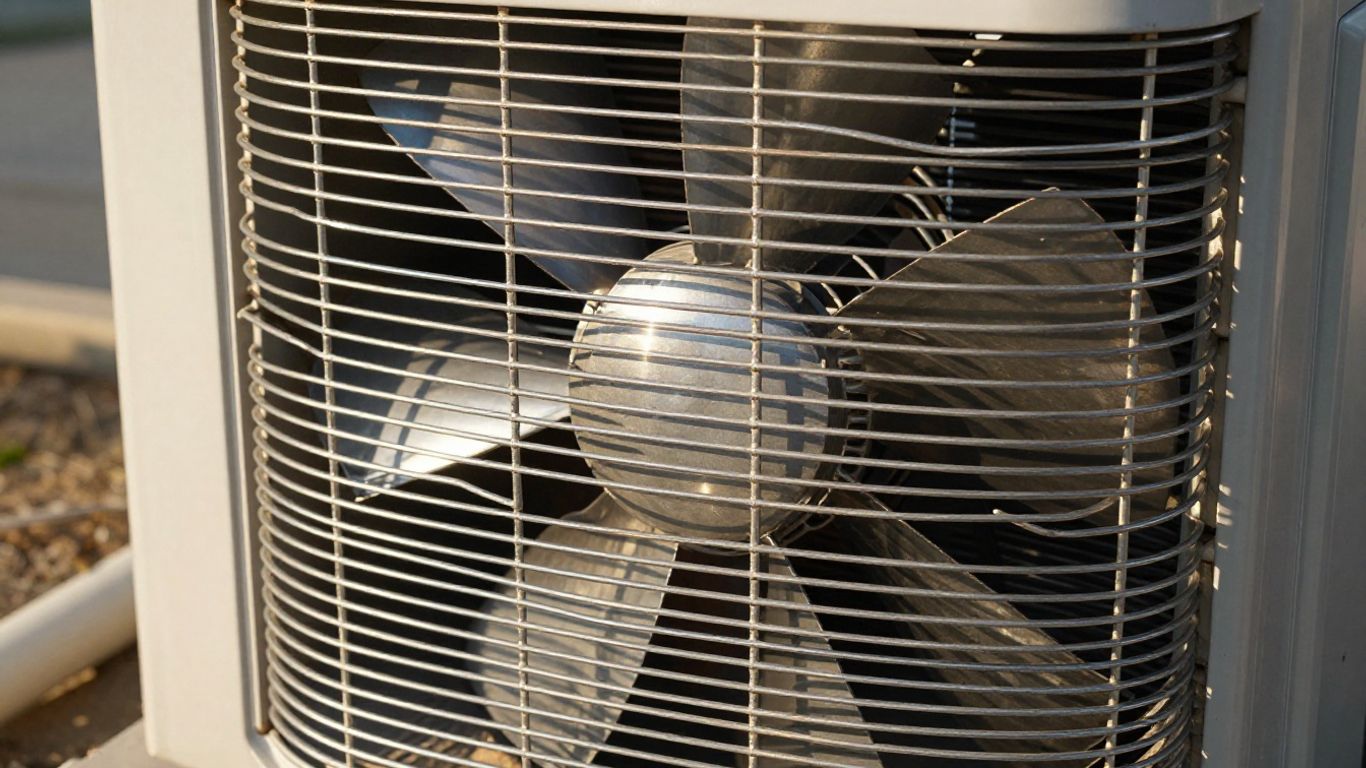
Getting your air conditioner ready before the real heat hits is a smart move. Think of it like giving your car an oil change before a long road trip. A little bit of attention now can save you a lot of headaches later. These simple checks can make a big difference in how well your system performs all summer long.
Inspect Air Filters For Optimal Airflow
Your air filter is like the lungs of your HVAC system. When it gets clogged with dust and debris, it’s harder for air to pass through. This means your system has to work overtime, which uses more energy and puts extra strain on the components. Plus, dirty filters can recirculate allergens and dust throughout your home, which isn’t great for anyone’s allergies.
-
Check the filter monthly, or more often if you have pets or allergies.
-
Look for visible dirt and dust buildup.
-
Replace or clean the filter according to the manufacturer’s instructions.
A clean filter is one of the easiest ways to keep your system running smoothly and your indoor air quality decent. It’s a small task that pays off big time.
Clean Condenser Unit For Efficient Cooling
The condenser unit is the part of your AC system that sits outside. It’s responsible for releasing heat from your home into the outside air. Over time, leaves, grass clippings, and other yard waste can accumulate around it, blocking airflow. This makes it harder for the unit to do its job, leading to less effective cooling and higher energy bills. Clearing debris around the unit is a good idea.
-
Turn off the power to the unit at the breaker box before you start.
-
Gently remove any visible debris like leaves, twigs, or grass from the fins.
-
You can use a garden hose to rinse the fins, but be careful not to use high pressure, which can bend them.
Check Refrigerant Levels For Peak Performance
Refrigerant is the stuff that actually makes your air conditioner cold. If the levels are low, it usually means there’s a leak somewhere in the system. Low refrigerant makes your AC work harder and less efficiently, and it can even lead to freezing up. While checking refrigerant levels is often best left to a professional, you can sometimes spot signs of a problem, like ice buildup on the refrigerant lines. If you suspect an issue, it’s time to call in the pros.
Don’t ignore signs like weak cooling or strange noises. These could point to a refrigerant problem that needs attention sooner rather than later. Preparing your system for summer demands includes checking these key components.
Preparing Your HVAC System For Summer Demands
Summer’s heat is no joke, and your air conditioner is going to be working overtime. Before the real heat waves hit, it’s smart to give your system a little tune-up. Think of it like getting your car ready for a long road trip. You wouldn’t just hop in and go, right? Your AC needs a similar kind of attention.
Test Thermostat Settings And Programmability
Your thermostat is the brain of your cooling system. Make sure it’s telling your AC what to do correctly. If you have a programmable thermostat, now’s the time to check those settings. Are they still set for your usual summer schedule? You don’t want your AC blasting full-force when nobody’s home, or worse, not kicking in when you need it most.
-
Verify the current temperature reading. Does it match what you feel in the room?
-
Program your desired temperature schedule. Set it for when you’re home and when you’re away to save energy.
-
Test the ‘hold’ function. This is useful if you’re having guests or have a specific temperature need for a day.
Clear Debris Around Outdoor Unit
That big metal box outside your house? It needs breathing room. Over the winter and spring, leaves, grass clippings, and other yard stuff can pile up around it. This blocks airflow, making your AC work harder and less efficiently.
Give your outdoor unit some space. Clear away any plants, branches, or garden furniture that might be too close. Aim for at least two feet of clear space all around it. This simple step helps your system run much better.
Lubricate Moving Parts To Prevent Wear
Just like any machine, your HVAC system has parts that move. These parts need a little lubrication to keep them running smoothly and to stop them from wearing out too fast. This is especially true for the fan motor and any other accessible mechanical components. If you’re not comfortable doing this yourself, it’s a good reason to call a professional. Keeping these parts well-oiled can prevent squeaks, groans, and eventually, bigger problems. A little bit of maintenance now can save you a lot of headaches later, especially when you’re looking for reliable HVAC service during the hottest part of the year.
Proactive Steps For Summer HVAC Longevity
Getting your HVAC system ready for the summer heat isn’t just about keeping cool; it’s also about making sure your system lasts as long as possible. Think of it like giving your car an oil change before a long road trip. A little bit of attention now can save you a lot of headaches later.
Schedule Professional HVAC Inspection
While you can do a lot yourself, sometimes you just need a pro. Scheduling a professional check-up in June is a smart move. They have the tools and know-how to spot problems you might miss. They’ll look at things like the electrical connections, check for any refrigerant leaks, and make sure the whole system is running as it should. This professional tune-up can catch small issues before they turn into big, expensive repairs. It’s a good idea to get this done before the real heat hits and the HVAC companies get swamped. You can find a local technician who specializes in air conditioner maintenance.
Address Any Unusual Noises Or Smells
Your HVAC system will usually tell you when something’s wrong. If you start hearing strange banging, rattling, or squealing sounds, don’t just ignore them. Those noises are often early warnings. The same goes for any odd smells, like burning or musty odors. These could point to electrical problems, motor issues, or even mold growth. It’s better to get these checked out right away. Ignoring them is like ignoring a check engine light in your car – it rarely ends well.
Ensure Proper Ventilation And Air Circulation
Good airflow is super important for your HVAC system to work efficiently. Make sure that furniture, curtains, or anything else isn’t blocking your vents or return air grilles. Restricted airflow makes your system work harder, using more energy and putting extra strain on the components. Also, check that your outdoor unit has plenty of space around it. Overgrown bushes or clutter can really choke off the airflow it needs to release heat. Keeping these areas clear helps your system breathe easier and perform better, especially during those hot summer days.
Taking these proactive steps can make a big difference in how your HVAC system handles the summer. It’s about preventing breakdowns and keeping your home comfortable without breaking the bank on energy bills or repairs. A little effort now goes a long way.
Why June HVAC Maintenance Is Crucial
Getting your HVAC system checked out in June isn’t just a good idea; it’s pretty much a necessity if you want to make it through the summer without major headaches. Think of it like giving your car an oil change before a long road trip. You wouldn’t want to break down in the middle of nowhere, right? The same goes for your air conditioner when the temperatures really start to climb.
Prevent Costly Summer Breakdowns
Summer is when your AC unit works overtime. Pushing it hard without a little TLC can lead to serious problems. We’re talking about parts failing, refrigerant leaks, or even the whole system giving up. These kinds of breakdowns almost always happen on the hottest days of the year, when repair companies are swamped and prices go up. A little bit of work now can save you a lot of money and stress later. It’s about avoiding those emergency repair calls.
Improve Energy Efficiency And Lower Bills
When your HVAC system is running smoothly, it doesn’t have to work as hard to keep your home cool. This means it uses less electricity. Simple maintenance tasks, like cleaning filters and making sure the outdoor unit is clear, help your system operate more efficiently. This translates directly into lower energy bills. Who doesn’t want to save a bit of cash, especially with summer energy usage spiking?
Ensure Consistent Indoor Comfort
Nobody likes being stuck in a sweltering house. Regular maintenance helps your system keep your home at a steady, comfortable temperature. It means no more weird hot spots or the AC constantly cycling on and off. You want your home to be a cool sanctuary when it’s blazing outside. This is especially important if you have family members who are sensitive to heat. Protect your HVAC system before the heat waves hit.
Skipping June maintenance is like playing a gamble with your comfort and your wallet. You might get lucky, but the odds are usually stacked against you when the mercury really starts to rise. It’s better to be prepared than to deal with the aftermath of a system failure during peak season.
DIY HVAC Maintenance Tasks For June

So, you want to give your air conditioner a little TLC before the real heat hits? That’s smart thinking. There are a few things you can do yourself that don’t require a technician, and they can make a real difference. Taking care of these simple tasks can help your system run better and might even save you some cash.
Clean Vents And Registers
Think of your vents and registers as the lungs of your home’s HVAC system. When they get clogged with dust and debris, it’s harder for air to flow freely. This means your system has to work overtime just to push air around.
Here’s how to tackle them:
-
Turn off your system: Always start by shutting off the power to your HVAC unit at the breaker box. Safety first!
-
Remove the grilles: Most vents have screws holding them in place. Carefully remove these and take off the grille.
-
Clean thoroughly: Use a vacuum cleaner with a brush attachment to suck up dust from the grille and the immediate opening. For stubborn dust, a damp cloth or an old toothbrush can work wonders.
-
Reassemble: Once everything is clean and dry, put the grilles back on and secure them with the screws.
Check For Leaks In Ductwork
Leaky ducts are like having holes in your energy bills. Conditioned air escapes before it even gets to the rooms you want to cool. You might not see them easily, but you can often feel them.
-
Visual inspection: Get into your attic or crawl space (if you have access) and look for any obvious tears, holes, or disconnected sections in your ductwork. Pay attention to joints and seams.
-
Feel for drafts: With the system running, carefully run your hand along the accessible ductwork. Can you feel any air escaping? This is a good indicator of a leak.
-
Seal small leaks: For minor leaks, you can use specialized HVAC foil tape (not regular duct tape, which won’t hold up) to seal them. Make sure the surface is clean and dry before applying the tape.
If you find a lot of leaks or large ones, it might be time to call in a professional. They have the tools to properly assess and seal your entire duct system, which can make a big difference in how efficiently your home is cooled. It’s a bit of a messy job, but worth it in the long run.
Inspect Electrical Connections
This is one area where you need to be extra careful. If you’re not comfortable working with electrical components, it’s best to skip this step and let a pro handle it. But if you’re a bit handy, a quick check can be beneficial.
-
Locate the disconnect: Find the outdoor disconnect box near your condenser unit. It’s usually a metal box with a pull-out lever.
-
Check for corrosion: With the power off at the breaker, carefully pull out the lever and inspect the connections inside the box. Look for any signs of rust or corrosion.
-
Tighten connections: If you see any loose wires, gently tighten them. Again, only do this if you feel confident. Proper electrical maintenance is important for safety and system function.
Remember, these DIY tasks are great for keeping your system running smoothly, but they don’t replace a professional tune-up. If you notice anything concerning or aren’t sure about a step, it’s always best to call a qualified HVAC technician.
June is a great time to give your home’s heating and cooling system a little TLC. Simple tasks can help it run smoothly all summer long. Check out our guide for easy DIY maintenance you can do this month. Want more tips or need professional help? Visit our website for all your HVAC needs!
Don’t Sweat It This Summer
So, that’s the lowdown on getting your AC ready for the summer heat. It might seem like a bit of a chore now, but trust me, you’ll be thanking yourself when the temperature really starts to climb. A little bit of attention in June can save you a whole lot of trouble, and maybe even some cash, down the road. Think of it as an investment in staying cool and comfortable when you need it most. Don’t wait until the first heatwave hits to realize something’s not right – get ahead of it now. Your future, cooler self will appreciate it.
Frequently Asked Questions
Why should I clean my air filters in June?
Think of air filters like a mask for your HVAC system. When they get clogged with dust and dirt, your system has to work way harder to push air through. This makes it less efficient and can even cause it to break down. Cleaning or replacing them in June ensures your system can breathe easy and cool your home effectively all summer long.
What’s the deal with cleaning the outdoor unit?
Your outdoor unit, called the condenser, needs clear space to release heat. If it’s covered in leaves, grass clippings, or other gunk, it can’t do its job properly. Giving it a good clean helps it run better and prevents it from overheating, which is super important when temperatures soar.
Can I really check my own refrigerant levels?
Checking refrigerant levels is usually best left to a pro because it involves special tools and knowledge. However, if your AC isn’t cooling well and you’ve done other checks, it might be a sign that your refrigerant is low. This usually means there’s a leak that needs fixing by a technician.
How often should I get a professional check-up?
It’s a smart move to have a professional HVAC technician inspect your system at least once a year, and June is the perfect time before the real summer heat hits. They can spot hidden problems and make sure everything is in top shape, saving you from bigger headaches later.
What are some simple things I can do myself to help my AC?
You can definitely help! Make sure to clean the vents and registers inside your house so air can flow freely. Also, take a peek around your outdoor unit to clear away any plants or debris that might be blocking airflow. Simple tasks like these make a big difference.
What happens if I skip HVAC maintenance before summer?
Skipping maintenance is like playing with fire! Your system might struggle to keep up with the demand, leading to uneven cooling or even a complete breakdown when you need it most. Plus, a struggling system uses more energy, which means higher electricity bills. It’s way cheaper to maintain than to repair a broken unit.