
Winter’s chill is coming, and if you’re in Tunnel Hill, Rising Fawn, or Armuchee, now’s the time to get your house ready. A cold snap can really do a number on your home if it’s not prepared. We’re talking about drafts that sneak in, pipes that might freeze, and heating systems that could give out when you need them most. Let’s go over some simple steps to prepare home for cold weather and avoid those winter headaches.
Key Takeaways
-
Seal up drafts around windows, doors, attics, and basements to keep the cold out and your heat in.
-
Protect your pipes from freezing by insulating them and disconnecting outdoor hoses.
-
Get your heating system checked by a pro and change air filters often.
-
Clean your gutters, trim tree branches, and secure outdoor items to protect your home’s exterior.
-
Stock up on food, water, first-aid supplies, and alternative light and heat sources for emergencies.
Seal Up Drafts To Prepare Home for Cold Weather
Cold snaps are no joke around here in Tunnel Hill, Rising Fawn, and Armuchee. Before the really chilly air sets in, taking some time to seal up drafts is a smart move. It’s not just about comfort; it’s about keeping your heating bill from going through the roof and making sure your home stays warm and safe.
Inspect Windows and Doors for Air Leaks
First things first, you gotta find where the cold air is sneaking in. Walk around your house, especially on a windy day, and feel for drafts. Pay close attention to:
-
The edges of your window frames and where they meet the wall.
-
Around your exterior doors, especially at the bottom and sides.
-
Anywhere pipes or wires enter your home from the outside.
A little bit of air leakage can make a big difference in how warm your house feels. Sometimes, you can see light peeking through cracks, which is a sure sign of a draft. Don’t forget to check those less obvious spots, like around basement windows or attic access points.
Caulk and Weatherstrip Entry Points
Once you’ve found the problem areas, it’s time to fix them. For small gaps and cracks around window frames, door frames, and where trim meets the wall, caulk is your best friend. Get a good quality exterior caulk that can handle temperature changes. For doors, check the weatherstripping. If it’s cracked, torn, or just looks worn out, replace it. You can also add a door sweep to the bottom of exterior doors to block any gaps there. This is a pretty straightforward DIY job that can make your home feel much tighter. You can find plenty of helpful tips on home weatherproofing online.
Check Attic and Basement for Gaps
Don’t forget about the places where your house meets the foundation or the roof. In the basement, look for gaps where pipes or vents come through the foundation walls. You can seal these with caulk or expanding foam. Up in the attic, check around the chimney and any vents. Air can easily travel up from the rest of the house into the attic, and then escape outside. Sealing these pathways helps keep warm air in your living space where it belongs. It’s amazing how much heat can be lost through these often-overlooked areas.
Protect Your Plumbing From Freezing Temperatures
When the mercury drops, your home’s plumbing can be one of the first things to suffer. Frozen pipes aren’t just a nuisance; they can burst and cause serious water damage. Taking a few proactive steps can save you a lot of headaches and money.
Insulate Exposed Pipes
Think about any pipes that run through unheated areas of your home. This includes basements, crawl spaces, garages, and even some exterior walls. These are prime candidates for freezing. You can buy foam pipe sleeves at most hardware stores. They’re pretty easy to cut to size and wrap around the pipes. For extra protection, you can also use heat tape, which is an electric cable that warms the pipes. Just make sure to follow the manufacturer’s instructions carefully when installing it.
Disconnect Outdoor Hoses and Faucets
Don’t forget about the water lines outside your house. Any hoses connected to outdoor faucets can trap water, which will freeze and expand. This can crack the faucet itself or even the pipe leading to it inside your wall. So, before the first hard freeze, disconnect all garden hoses. If you have frost-proof sillcocks, they’re designed to prevent freezing, but it’s still a good idea to disconnect hoses. For regular outdoor faucets, consider installing faucet covers, which are little insulated caps that fit over them.
Know How to Thaw Frozen Pipes Safely
If you suspect a pipe has frozen, don’t panic. The first thing to do is turn off the main water supply to your house. Then, try to locate the frozen section. You can use a hairdryer on a low setting, a portable space heater (keeping it a safe distance away), or wrap the pipe with warm towels. Never use an open flame, like a blowtorch, to thaw pipes. This is a major fire hazard and can damage the pipes even further.
Frozen pipes are a real problem in our area during winter. It’s not just about the inconvenience of no running water; the potential for a burst pipe causing significant water damage is a serious concern. Taking these simple steps can make a big difference in protecting your home.
Ensure Your Heating System Is Ready

When the temperatures drop in Tunnel Hill, Rising Fawn, and Armuchee, you want your heating system to work without a hitch. A little preparation goes a long way to keep your home warm and cozy. Don’t wait until the first big freeze to think about your furnace.
Schedule a Professional Furnace Check-Up
It’s a good idea to have a pro look at your furnace before the cold really sets in. They can spot small problems before they become big, expensive ones. Think of it like a yearly check-up for your car. They’ll check things like:
-
The heat exchanger for cracks.
-
The blower motor and fan.
-
Electrical connections and wiring.
-
The thermostat’s accuracy.
-
Gas or oil connections for leaks.
This check-up can help make sure your system runs efficiently and safely all winter long.
Change Air Filters Regularly
This is one of those simple tasks that makes a big difference. A dirty air filter makes your furnace work harder, uses more energy, and can even shorten its lifespan. Plus, it means dust and allergens are circulating more in your home.
-
How often? Most filters need changing every 1-3 months, but check your filter’s manufacturer recommendations. If you have pets or allergies, you might need to change them more often.
-
What kind? There are different types of filters. Make sure you get the right size and MERV rating for your system.
It takes just a few minutes, and it’s something you can easily do yourself.
Test Your Thermostat Settings
Your thermostat is the brain of your heating system. Make sure it’s working correctly and that you know how to use it. If you have an older, manual thermostat, check that the temperature setting is accurate. For programmable or smart thermostats, take some time to set up a schedule that fits your life. You can save energy by lowering the temperature when you’re asleep or away from home.
Testing your thermostat settings ahead of time means you won’t be fiddling with it in the dark and cold when you first need your heat. Make sure you know how to override the program if you need to warm up the house quickly.
Getting these things done now can save you a lot of hassle and discomfort when the cold snaps hit our area.
Prepare Your Home’s Exterior for Winter
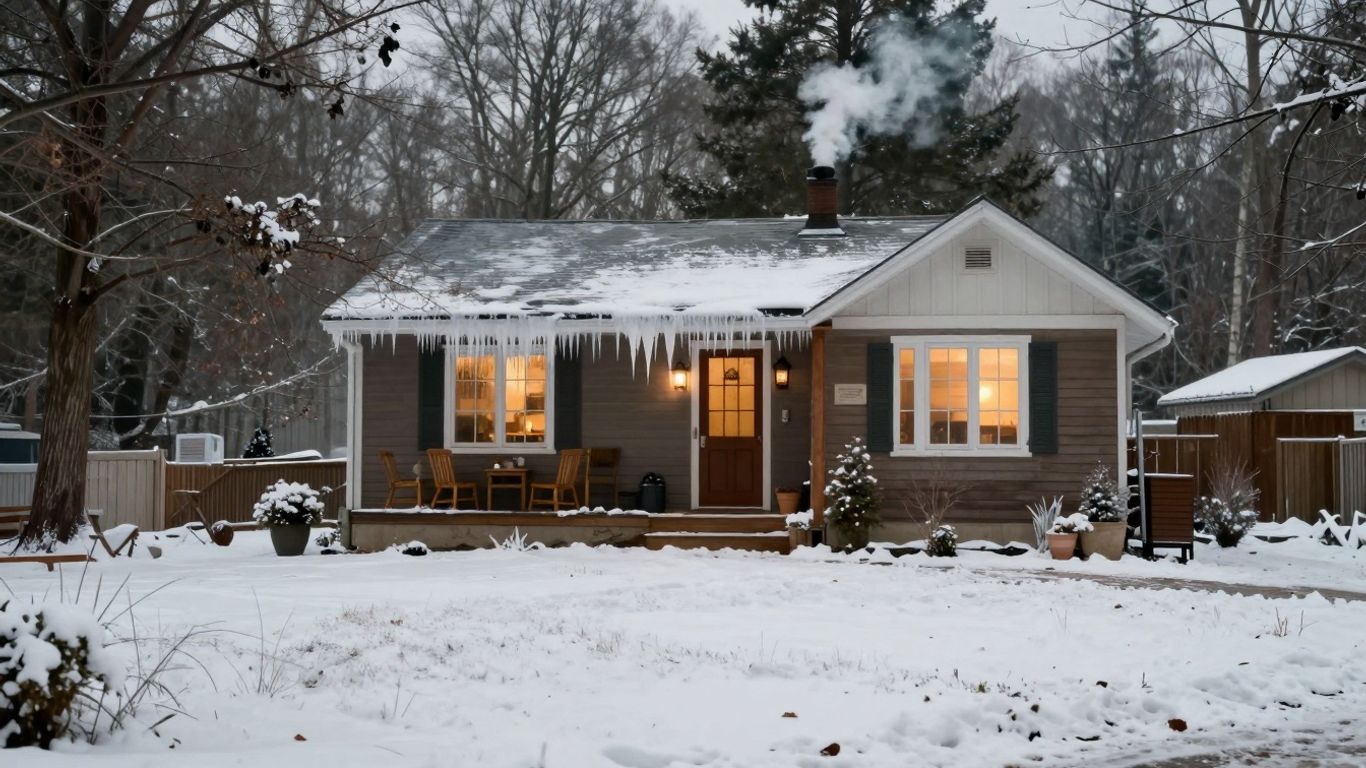
Alright, let’s talk about the outside of your house. It’s easy to forget about it when you’re focused on the inside, but the exterior plays a big role in keeping your home safe and sound when the temperatures drop.
Clear Gutters and Downspouts
This is one of those tasks that seems small, but it really matters. When leaves and debris clog up your gutters, water can’t drain properly. During a cold snap, this standing water can freeze, expand, and cause some serious damage. Think cracked gutters, ice dams forming on your roof, and even water backing up into your home’s foundation. Make sure to clear them out before the first big freeze.
-
Start by removing large debris by hand or with a trowel.
-
Use a hose to flush out any remaining gunk and check that water flows freely.
-
If you have downspout extensions, make sure they aren’t blocked either.
Trim Overhanging Branches
Those tree branches that look pretty in the summer can become a real hazard when covered in ice and snow. Heavy branches can snap and fall, potentially damaging your roof, siding, or even power lines. It’s a good idea to trim back any branches that are too close to your house or look weak.
It’s not just about preventing damage from falling branches. Overgrown trees can also block sunlight, which can be helpful for drying things out around your home. Plus, keeping them trimmed makes it harder for pests to get onto your roof.
Secure Outdoor Furniture and Decorations
Anything left loose outside can become a projectile in strong winter winds. Patio furniture, trampolines, decorative items – they all need to be secured or stored away. You don’t want your favorite lawn chair ending up on your neighbor’s roof, right? Take a little time to put things in the garage or shed, or at least tie them down securely. This also helps protect your belongings from the harsh winter weather.
Stock Up on Emergency Supplies
When the cold snaps hit Tunnel Hill, Rising Fawn, and Armuchee, having a good stock of emergency supplies can make a big difference. It’s not just about comfort; it’s about safety too. Being prepared means you can handle power outages or being stuck at home for a few days without a problem.
Gather Non-Perishable Food and Water
Think about what you’d need if you couldn’t get to the store for a week. You want foods that don’t need refrigeration and are easy to prepare. Canned goods are great – soups, vegetables, fruits, and meats. Don’t forget things like peanut butter, crackers, and dried fruit. And water, of course. Aim for at least one gallon per person per day. It sounds like a lot, but it’s better to have too much than not enough.
Assemble a First-Aid Kit
Your regular first-aid kit might be fine for small cuts, but for a longer emergency, you need more. Make sure you have bandages of various sizes, sterile gauze pads, adhesive tape, and antiseptic wipes. Pain relievers like ibuprofen or acetaminophen are a must. Also, include any prescription medications your family needs, with a little extra supply if possible. Don’t forget things like tweezers, scissors, and a thermometer.
Prepare Alternative Light and Heat Sources
Power outages are common during winter storms. Flashlights are key, and make sure you have plenty of extra batteries. Candles can work in a pinch, but use them with extreme caution – never leave them unattended, especially around kids or pets. Battery-powered lanterns are a safer bet. For heat, if your main system goes out, consider a safe portable heater, but always follow the manufacturer’s instructions and ensure good ventilation to avoid carbon monoxide buildup.
Having a plan for communication is also smart. Keep a battery-powered or hand-crank radio handy to get updates. Make sure your cell phones are fully charged before a storm hits, and consider a portable power bank.
Maintain Your Roof and Chimney
Your roof and chimney are the first lines of defense against the elements, so giving them some attention before the really cold weather hits is a smart move. A little bit of upkeep now can save you a lot of headaches later.
Inspect for Damaged Shingles
Take a good look at your roof from the ground if you can, or better yet, get up there safely. You’re looking for shingles that are cracked, curled, or missing altogether. These aren’t just cosmetic issues; they’re entry points for water. Water that gets under shingles can freeze and expand, causing even more damage. It’s important to address any roof damage promptly.
Clean Your Chimney for Safe Fireplace Use
If you’ve got a fireplace, now’s the time to think about cleaning the chimney. Creosote, a byproduct of burning wood, can build up inside the flue. This stuff is flammable and is the main cause of chimney fires. A good cleaning removes this buildup, making your fireplace safer to use. It also helps with proper draft, so your fire burns better and smoke goes up the chimney, not into your living room.
Ensure Proper Ventilation
Good ventilation in your attic is key for a healthy home. It helps regulate temperature and moisture. In winter, it prevents ice dams from forming on your roof’s edge, which can cause water to back up under shingles and leak into your home. Make sure vents aren’t blocked by insulation or debris. This helps keep your roof deck from getting too cold, which is what leads to ice dams.
Keeping your roof and chimney in good shape isn’t just about preventing leaks or fires. It’s also about making sure your home stays energy efficient. A well-maintained roof and a clean chimney contribute to better insulation and heating performance, saving you money in the long run.
Keeping your roof and chimney in good shape is super important for your home. Regular check-ups can stop small problems from becoming big, expensive messes. Don’t wait for a leak or a draft to ruin your day! Visit our website today to learn more about how we can help you keep your home safe and sound.
Stay Warm Out There!
So, that’s the rundown on getting your place ready for the cold. It might seem like a lot, but tackling these things now can save you a headache later when the temperatures really drop. Think of it as giving your home a little hug before winter really bites. Whether you’re in Tunnel Hill, Rising Fawn, or Armuchee, a little preparation goes a long way. Stay cozy and safe until the warmer weather rolls back around!
Frequently Asked Questions
What’s the best way to find drafts in my house?
You can find drafts by doing a simple test. On a windy day, walk around your house and feel for cold air sneaking in around windows and doors. You can also use a lit incense stick or a thin piece of paper; if it moves, you’ve found a leak!
Why is it important to insulate pipes?
Insulating pipes, especially those in unheated areas like basements or garages, helps prevent them from freezing. Frozen pipes can burst, causing a big mess and expensive repairs. It’s a simple step that saves a lot of trouble.
How often should I change my furnace filter?
It’s a good idea to change your furnace filter at least every three months. If you have pets or allergies, you might need to change it even more often. A clean filter helps your heater work better and keeps your air cleaner.
Should I worry about my roof when it gets cold?
Yes, you should! Cold weather can make damaged shingles brittle and more likely to break. It’s wise to check for any loose or missing shingles before winter really sets in to avoid leaks.
What kind of food should I have for emergencies?
Stock up on foods that don’t need to be cooked or refrigerated, like canned goods (soups, beans, fruits), granola bars, peanut butter, and crackers. Don’t forget bottled water, too!
What if my pipes freeze anyway?
If your pipes freeze, first turn off the main water supply. Then, try to gently warm the frozen pipe using a hairdryer on a low setting or by wrapping it with warm towels. Never use an open flame, as this can be dangerous.