The holidays are a wonderful time for visiting with family and friends in Mentone, Plainville, and Higdon. But all those extra people and the colder weather can really drive up your energy bills. Don’t let your heating and cooling system become a holiday energy hog. We’ve got some simple holiday energy saving tips to keep your home comfortable and your wallet happy.
Key Takeaways
-
Use your smart thermostat to set different temperatures for when guests are over versus when the house is empty. This is a big part of smart holiday energy saving tips.
-
Block drafts from windows and doors. Cold air sneaking in means your heater works harder, which is the opposite of good holiday energy saving tips.
-
Close off rooms that aren’t being used. This focuses your heating where you need it most, a practical step for holiday energy saving tips.
-
Keep your air filters clean. A clogged filter makes your system struggle, so changing it is a straightforward holiday energy saving tip.
-
Think about natural light and fans. Using sunlight to warm rooms and fans to move air can cut down on how much your HVAC has to run, adding to your holiday energy saving tips.
Smart Thermostat Strategies For Holiday Energy Saving Tips
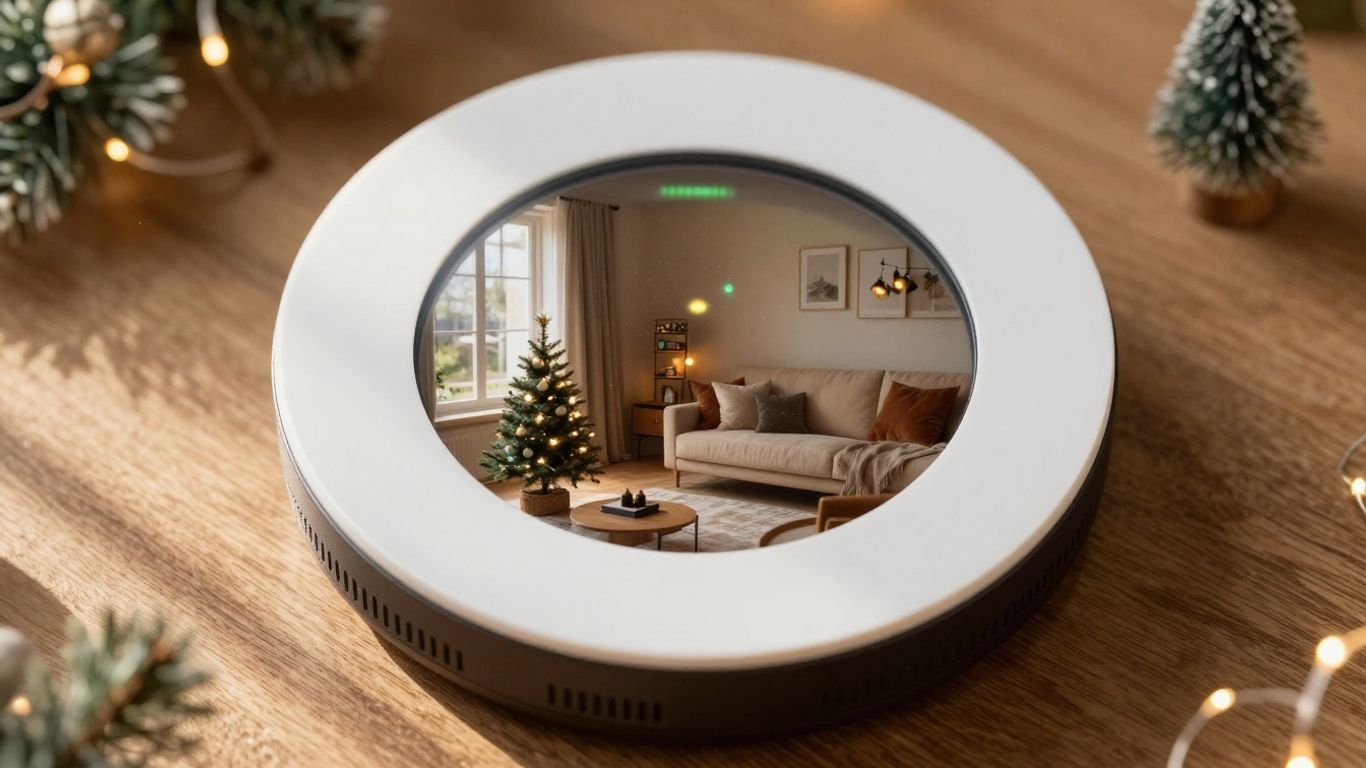
The holidays are a busy time, and it’s easy to forget about the thermostat. But with a few smart strategies, you can keep your home comfortable without wasting energy. Your smart thermostat is a powerful tool for saving money and reducing your energy footprint.
Programming Your Thermostat For Guest Stays
When family and friends come to visit, you want them to be comfortable. But you don’t need to keep the house at a toasty temperature all day, every day. Instead, try programming your thermostat to adjust automatically. Set a comfortable temperature for when people are awake and active, and then program it to lower a few degrees when everyone is asleep or out of the house. Most smart thermostats have easy-to-use scheduling features that let you set different temperatures for different times of the day and days of the week. This way, you’re not heating an empty house.
Adjusting Temperatures When Away
Even if you’re just popping out for a bit to do some last-minute shopping or visit neighbors, it’s a good idea to adjust your thermostat. You don’t need to keep it as warm when you’re not home. A few degrees lower can make a noticeable difference in your energy bill over the course of the holidays. If you have a smart thermostat, you can often adjust the temperature remotely from your phone, so you don’t have to worry about forgetting.
Utilizing Smart Home Integration
If you’ve got other smart home devices, you can link them with your thermostat for even more energy savings. For example, you might set up a routine where when your smart lights turn off at night, your thermostat automatically lowers the temperature. Or, if you have smart window sensors, you could program the thermostat to reduce heating if a window is left open for too long. This kind of automation takes the guesswork out of saving energy.
Think about your daily routine during the holidays. When are people typically home and active? When do they usually sleep or leave the house? Program your thermostat to match these patterns. It’s about being efficient, not uncomfortable.
Maximizing Insulation For Holiday Energy Saving Tips
When the weather outside gets chilly, keeping your home warm without running up a huge energy bill is a big deal, especially with guests around. Insulation is your first line of defense against heat escaping. Think of it like a cozy blanket for your house. Good insulation means your heating system doesn’t have to work as hard, saving you money and making your home more comfortable.
Sealing Drafts Around Windows And Doors
Drafts are like tiny little holes where warm air sneaks out and cold air sneaks in. You can usually feel them if you put your hand near a window or door frame on a windy day. Fixing these is pretty straightforward and makes a big difference.
-
Weatherstripping: This is a flexible material you can stick around the edges of doors and windows. It compresses when the door or window is closed, creating a seal.
-
Caulking: For small gaps and cracks, especially around window frames and where different building materials meet, caulk is your friend. It dries hard and seals up those little openings.
-
Door Sweeps: If you can see light under your door, you’ve got a draft. A door sweep attaches to the bottom of the door to block that gap.
Sometimes, the simplest fixes are the most effective. Don’t underestimate the power of a good seal. It’s amazing how much heat can be lost through seemingly small openings.
Using Curtains And Blinds Effectively
Your windows, even with good seals, can be a source of heat loss. Curtains and blinds aren’t just for looks; they can add an extra layer of insulation.
-
During the Day: Open curtains and blinds on south-facing windows to let in natural sunlight. This solar heat can warm your home for free.
-
At Night: Close them up! This traps the warm air inside and creates a barrier against the cold glass.
-
Heavy Fabrics: Thicker, heavier curtains tend to provide better insulation than thin, sheer ones.
Checking Attic And Wall Insulation
This is a bigger job, but it’s where a lot of heat loss happens. Heat rises, so if your attic isn’t well-insulated, that warm air is just going to escape right out the top.
-
Attic Inspection: Look for even coverage of insulation. If you can see the joists, you probably need more. Common types include fiberglass batts, blown-in cellulose, or spray foam.
-
Wall Insulation: This is harder to check without opening up walls, but if your house is older, it might not have much. Signs of poor wall insulation can include cold spots on interior walls or high heating bills.
-
Professional Assessment: If you’re unsure about your insulation levels, especially in the attic or walls, it’s worth getting a professional to take a look. They can identify problem areas and recommend solutions.
Optimizing HVAC Usage During Holiday Gatherings
Holiday parties mean more people in your home, and that can really change how your heating and cooling system works. It’s not just about keeping everyone comfortable; it’s about doing it without wasting a ton of energy. Think about it: every person adds body heat, and all those extra appliances running can also contribute to the warmth. So, we need to be smart about how we manage the air.
Managing Airflow With Closed Rooms
When you have a lot of guests, it’s a good idea to close off rooms that aren’t being used. This helps your HVAC system focus its efforts on the areas where people actually are. Trying to heat or cool empty spaces is just throwing energy away. Think about closing doors to guest bedrooms, formal dining rooms you’re not using, or even that spare office. It’s a simple step that makes a noticeable difference in how efficiently your system runs.
Considering Portable Heaters Wisely
Sometimes, a specific room might feel a bit chilly, even with the main system running. In these cases, a portable heater might seem like a good idea. However, they can use a surprising amount of electricity. If you do use one, make sure it’s only for short periods and in a small, enclosed space. Always keep them away from anything flammable, like curtains or decorations, and never leave them running unattended. It’s often better to adjust your main thermostat slightly or use a smart plug to limit their run time.
Ventilating Properly After Cooking
All that holiday cooking can really heat up your kitchen and fill your home with cooking smells. While it’s nice to have a warm kitchen, sometimes it gets too warm, and you want to clear out the air. Opening windows for a short time, even when it’s cold outside, can help exchange stale air for fresh air quickly. You can also use your kitchen exhaust fan. If you have a whole-house fan or your HVAC system has a ‘fan on’ setting, running that for a bit can help circulate air and remove lingering odors and excess heat without drastically changing the overall temperature of your home.
Managing your HVAC during gatherings is all about directing the air where you need it and not fighting against the extra heat generated by people and appliances. A little planning goes a long way in keeping your home comfortable and your energy bills from skyrocketing.
Maintaining Your HVAC System For Holiday Energy Saving Tips
Your heating and cooling system works extra hard during the holidays, with guests coming and going and the weather often being unpredictable. Giving it a little attention can make a big difference in how efficiently it runs and how comfortable everyone stays. A well-maintained HVAC system uses less energy and avoids costly breakdowns.
Changing Air Filters Regularly
This is probably the easiest thing you can do. A dirty air filter makes your system work harder to pull air through it. Think of it like trying to breathe through a clogged nose – not easy!
-
Check your filter monthly, especially during heavy use periods.
-
Replace it if it looks dirty. Most standard filters last 1-3 months.
-
Using a higher MERV-rated filter can improve air quality, but make sure your system can handle the increased airflow resistance.
Scheduling Professional Check-ups
While you can handle filter changes, a professional tune-up is a good idea before the really cold or hot weather hits. They can spot small issues before they become big, expensive problems.
-
A technician will check refrigerant levels, clean coils, inspect electrical connections, and test the thermostat.
-
This helps prevent unexpected shutdowns when you need your system the most.
-
It also keeps your system running at its peak efficiency, saving you money on energy bills.
Cleaning Vents And Registers
Don’t forget the parts of your HVAC system that you can see! Dust and debris can build up in your vents and registers, blocking airflow.
-
Use a vacuum cleaner with a brush attachment to clean the grilles.
-
Make sure furniture or curtains aren’t blocking any vents, as this disrupts air circulation.
-
Periodically, you might want to remove the grilles and give the duct opening a quick clean.
Keeping your HVAC system in good shape isn’t just about comfort; it’s about smart energy use. When your system runs smoothly, it doesn’t have to work as hard, which means it uses less electricity or gas. This not only saves you money but also reduces wear and tear, potentially extending the life of your equipment. It’s a win-win for your wallet and your home’s comfort during the busy holiday season.
Creative Holiday Energy Saving Tips Beyond The Thermostat

Leveraging Natural Light
During the holidays, we often have more people around, and the days are shorter. Think about how you can use the daylight we do get to your advantage. Open up those curtains and blinds wide during the day, especially on windows that get direct sun. It’s amazing how much warmth the sun can bring into a room, cutting down on the need for your heating system to work overtime. This simple act can make a noticeable difference in your energy bill.
Using Fans For Air Circulation
Fans aren’t just for summer! In winter, ceiling fans can actually help push warm air down from the ceiling. Just make sure your fan is set to rotate clockwise at a low speed. This gentle downdraft can help distribute heat more evenly throughout your home, making those cooler spots feel a bit cozier without cranking up the thermostat. It’s a neat trick that often gets overlooked.
Reducing Appliance Energy Consumption
Holiday cooking and entertaining mean more appliances are running. Try to be mindful of this. When you’re not using them, turn off lights and unplug small appliances like coffee makers or toasters. Even when they’re off, some devices draw a small amount of power, often called ‘phantom load.’ It might seem small, but it adds up over time. Consider using energy-efficient appliances if you’re upgrading, or simply be more conscious about what’s plugged in and running.
The kitchen often becomes the heart of the home during the holidays, and all that cooking and baking generates a lot of heat. While this is great for warming the house, it can also lead to your HVAC system working less, which is a good thing! However, be aware of how much heat is being produced and if it’s making certain rooms uncomfortably warm. Sometimes, a little strategic ventilation can help balance things out.
Looking for ways to save energy this holiday season without touching the thermostat? Our “Creative Holiday Energy Saving Tips Beyond The Thermostat” section is packed with smart ideas. Discover simple tricks to keep your home cozy and your energy bills low. Visit our website today to learn more and start saving!
Wrapping Up Your Holiday Energy Savings
So there you have it, some simple ways to keep your home cozy this holiday season without running up a huge energy bill. Whether you’re in Mentone, Plainville, or Higdon, these tips can make a difference. It’s not about being perfect, just making a few smart choices. Enjoy the festivities, spend time with loved ones, and know that you’re doing a little something good for your wallet and the planet. Happy holidays, everyone!
Frequently Asked Questions
How can I make sure my house stays warm enough for guests without wasting energy?
Setting your smart thermostat to a comfortable temperature for when guests are there is key. You can also program it to lower the heat a bit when everyone’s asleep or if you have rooms that won’t be used. Think of it like telling your thermostat when to be extra cozy and when to take a little break.
What’s the best way to save energy when my house is empty during the holidays?
When you leave the house, even for a short trip, turn your thermostat down a few degrees. It doesn’t need to be super warm if no one is home! Smart thermostats make this easy, and you can often adjust them from your phone before you get back.
Does closing off rooms really help save energy?
Yes, it can! If you’re not using certain rooms, like a guest room that’s empty or a formal dining room, closing the doors and vents in those areas can help keep the heated air concentrated in the rooms you’re actually using. This means your heating system doesn’t have to work as hard.
How often should I change my air filters during the busy holiday season?
It’s a good idea to check your air filters more often when your HVAC system is working overtime. If you notice they’re getting dirty quickly, changing them every month or so is better than waiting. Clean filters help your system run more smoothly and save energy.
Are portable heaters a good idea for extra warmth during the holidays?
Portable heaters can be useful for warming up a specific room quickly, but use them carefully. They can use a lot of electricity, so it’s often more energy-efficient to make sure your main heating system is working well and keeping the whole house at a comfortable temperature, rather than relying heavily on portable units.
Besides the thermostat, what else can I do to save energy?
You can use your curtains and blinds to your advantage! Open them during the day to let in sunlight for natural warmth, and close them at night to keep the heat inside. Also, make sure there are no drafts around windows and doors, as that’s like leaving a window open and letting all your warm air escape.