
Spring is here in North Georgia, and before the summer heat really kicks in, it’s a good time to think about your home’s air conditioner. Getting your HVAC system checked out now can save you a lot of headaches later. Think of it like giving your AC a quick tune-up before it has to work overtime. This article will cover why it’s important, what gets looked at, and how to find someone to do the job right.
Key Takeaways
-
Getting an HVAC checkup North Georgia homes need before summer helps your system run better when it’s hot.
-
Regular checkups can catch small problems before they turn into big, expensive repairs.
-
A well-maintained system uses less energy, which means lower electricity bills.
-
Your HVAC technician will check important parts like refrigerant, coils, and the thermostat.
-
Changing your air filter regularly is a simple but important step for good air quality and system performance.
Why A Spring HVAC Checkup Is Crucial For North Georgia Homes
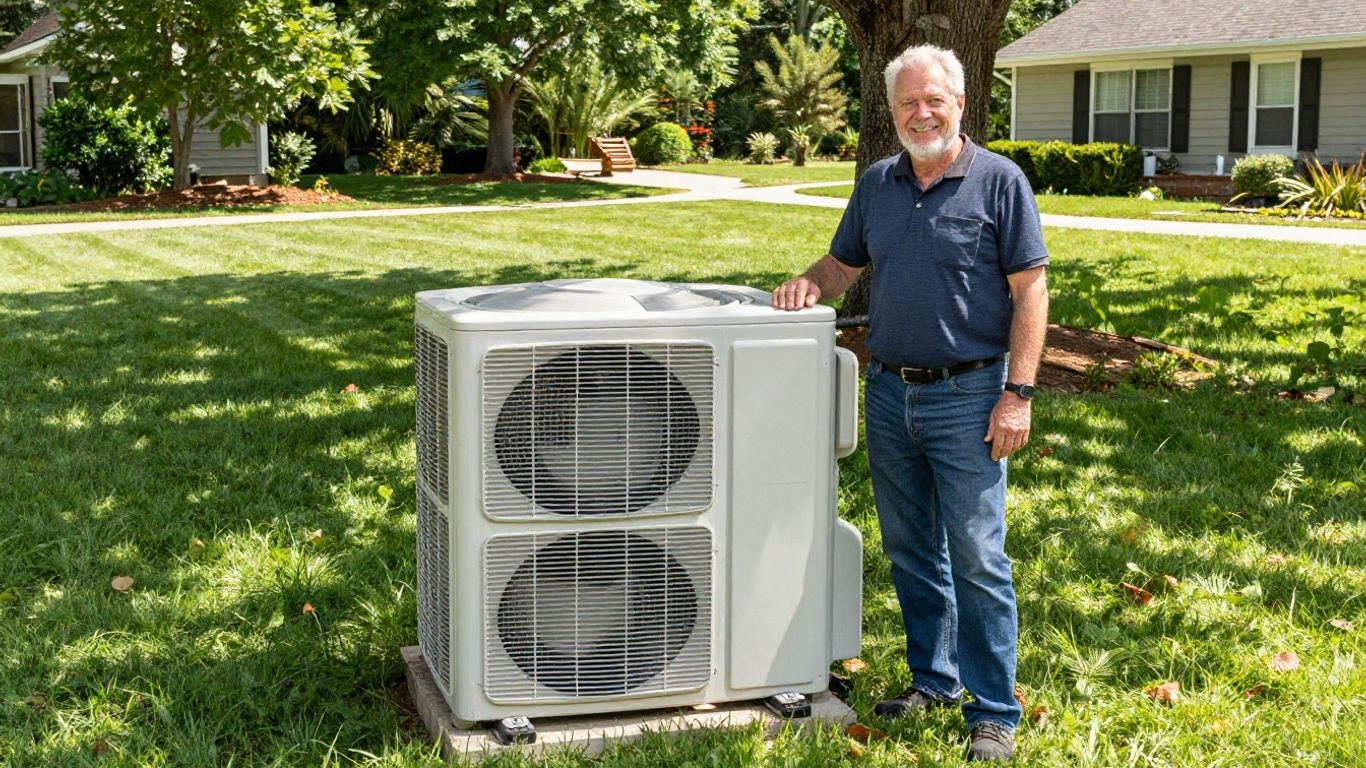
Spring is finally here, and you know what that means for North Georgia – the temperatures are going to start climbing fast. Before you know it, you’ll be relying on your air conditioner to keep your home comfortable. Getting your HVAC system checked out now, before the real heat hits, is a really smart move. It’s not just about comfort, though. A little attention now can save you a lot of headaches and money down the road.
Preparing Your System For Summer Heat
Your air conditioner has been sitting idle all winter. It’s like waking up a sleeping giant – you want to make sure it’s ready to go when you need it most. A spring checkup makes sure all the parts are working right and that it’s set up to handle the heavy workload of a North Georgia summer. We get some serious heat here, and your AC needs to be in top shape.
Preventing Costly Breakdowns
Nobody wants their air conditioner to quit on the hottest day of the year. That’s usually when repairs cost the most, too, because everyone is calling. A technician can spot small issues before they turn into big, expensive problems. Think of it like getting an oil change for your car; it’s way cheaper than fixing a busted engine.
Ensuring Optimal Energy Efficiency
An AC unit that’s not running right uses more power. That means higher electricity bills for you. When your system is clean and properly tuned up, it runs more efficiently. This not only keeps your home cooler but also saves you money on your energy costs throughout the summer. It’s a win-win, really.
A well-maintained HVAC system doesn’t just keep you cool; it also contributes to better indoor air quality by filtering out dust and allergens more effectively. Plus, it operates more quietly, which is always a nice bonus.
Here’s what a good spring checkup typically covers:
-
Checking refrigerant levels: Too little or too much can cause problems.
-
Cleaning coils: Dirty coils make the system work harder.
-
Inspecting electrical connections: Loose wires can be a safety hazard and cause malfunctions.
-
Testing the thermostat: Making sure it accurately controls the temperature.
Key Components Inspected During Your HVAC Checkup
When a technician comes out to give your HVAC system a once-over before the summer heat really kicks in, they’re not just looking around. They’ve got a checklist, and it’s designed to catch potential problems before they become big headaches. Think of it like a doctor’s physical for your home’s cooling system.
Checking The Air Conditioner’s Refrigerant Levels
This is a big one. Refrigerant, often called Freon, is what actually makes your air conditioner cool the air. If the levels are too low, it means there’s likely a leak somewhere. Low refrigerant doesn’t just mean less cool air; it makes the system work harder, which can lead to other parts failing. The tech will check the pressure and temperature to see if the levels are right where they should be. Finding and fixing a small leak now can save you from a much bigger repair bill later.
Inspecting The Evaporator And Condenser Coils
These coils are like the lungs of your AC. The evaporator coil is inside your house, absorbing heat from the air. The condenser coil is outside, releasing that heat. Over time, they can get dirty and dusty, which really messes with their ability to do their job. Dirty coils make your system less efficient and can even cause it to freeze up. The technician will clean them if needed, making sure air can flow freely and heat transfer happens like it’s supposed to.
Verifying Thermostat Functionality
Your thermostat is the brain of the operation, telling the system when to turn on and off. It might seem simple, but a faulty thermostat can cause all sorts of issues. It might not be accurately reading the room temperature, leading to your AC running constantly or not running at all. The pro will check that it’s communicating properly with the rest of the system and that the settings are working as they should. Sometimes, it’s just a matter of recalibrating it, but other times, it might need a replacement.
A thorough checkup involves more than just a quick look. It’s about understanding how each part works together and making sure they’re all in good shape for the demanding summer months. Ignoring these checks is like driving your car without ever changing the oil – eventually, something’s going to break down.
Here’s what else they’ll typically look at:
-
Electrical connections: Making sure everything is secure and not showing signs of wear.
-
Drainage: Checking that condensation is draining properly to prevent water damage.
-
Fan motor: Listening for any strange sounds and checking its operation.
The Importance Of Air Filter Replacement
You know, one of the simplest things you can do for your HVAC system, and honestly, for your home’s air, is changing the air filter. It sounds almost too easy, right? But a clogged filter can really mess things up. It’s not just about dust bunnies; it’s about how your whole system runs.
Impact On Air Quality
Think about it: your air filter is the first line of defense against all the stuff floating around in your air. Dust, pollen, pet dander, even tiny bits of mold spores – they all get trapped. When that filter gets full, it can’t catch anymore. Worse, some of that gunk can actually get pushed through the filter and back into your home. This means you’re breathing in more of whatever’s in the air, which isn’t great, especially if anyone in the house has allergies or breathing issues. A clean filter means cleaner air circulating through your living space.
Effect On System Performance
When your air filter is packed with dirt, your HVAC system has to work a lot harder to pull air through it. This extra strain can lead to a few problems. The system might not cool or heat your home as effectively because air can’t flow freely. It also makes the fan motor work overtime, which uses more electricity and can cause it to overheat. Over time, this constant struggle can put a lot of wear and tear on your system, potentially leading to breakdowns.
Frequency Of Replacement In North Georgia
How often you need to swap out that filter really depends on a few things, like how much you use your system and if you have pets. But generally, for North Georgia homes, a good rule of thumb is to check it every month or two. You might need to replace it more often if:
-
You have pets that shed a lot.
-
Someone in the house has allergies or asthma.
-
You live in an area with a lot of outdoor dust or pollen.
-
You run your system constantly during the hot summer months.
It’s a good idea to get into the habit of looking at it regularly. You’ll be able to see if it’s looking dirty and needs changing.
Replacing your air filter is a small task that has a big impact. It helps your system run better, keeps your energy bills from climbing too high, and makes the air you breathe cleaner. Don’t underestimate the power of a clean filter!
Signs Your HVAC System Needs Attention Before Summer
Sometimes, your air conditioner will give you hints that it’s not quite ready for the summer heat. Ignoring these signs can lead to a breakdown when you need it most. Paying attention to these signals can save you a lot of discomfort and money.
Unusual Noises Or Vibrations
Has your AC started making weird sounds? A healthy system usually runs pretty quietly. If you’re hearing things like:
-
Grinding or squealing
-
Banging or clanking
-
Constant rattling
…it’s a good idea to get it checked out. These noises often point to mechanical issues, like a loose part or a motor problem, that could get worse.
Inconsistent Cooling
Is one room freezing while another feels like a sauna? Or maybe the air coming out just doesn’t feel as cold as it used to. This inconsistency is a red flag. It could mean:
-
Low refrigerant levels
-
Blocked airflow due to dirty filters or coils
-
Problems with the ductwork
Your system should keep your whole house at a comfortable, even temperature. If it’s not, something’s up.
Rising Energy Bills
If you’ve noticed your electricity bill creeping up, especially when your AC usage hasn’t changed much, your HVAC system might be working harder than it should. An inefficient system uses more power to do the same job. This could be due to:
-
Dirty coils
-
A struggling fan motor
-
Refrigerant leaks
When your air conditioner isn’t running right, it’s like asking someone to run a marathon with a heavy backpack on. It takes way more effort, and eventually, they’re going to get tired and maybe even collapse. Your AC is no different; it needs to be in good shape to handle the summer workload without burning through extra electricity.
If you notice any of these issues, don’t wait for the first heatwave to hit. Getting a professional to look at it now can prevent a much bigger headache later.
Choosing The Right Professional For Your HVAC Checkup

So, you know you need to get your HVAC system looked at before summer really kicks in. That’s smart. But who do you call? It’s not like picking up a gallon of milk. You want someone who knows their stuff, especially here in North Georgia with our specific weather patterns. Picking the wrong person can lead to more headaches than it solves.
Look For Local Expertise In North Georgia
When you’re searching for an HVAC technician, try to find someone who actually works in our area. They’ll be more familiar with the common issues that pop up around here, like dealing with high humidity or the sudden temperature swings we sometimes get. A local company often means they understand the local climate and how it affects your system. They’re also more likely to be available when you need them, which is a big plus when it’s getting hot.
Verify Certifications And Reviews
Don’t just take their word for it. Check if the technicians have proper certifications. Things like NATE (North American Technician Excellence) are a good sign they’ve passed some tough tests. Also, take a few minutes to look up reviews online. See what other folks in town are saying about their service. Were they on time? Did they fix the problem right the first time? A good track record is important.
Understand Service Guarantees
What happens if something goes wrong after they leave? A reputable company will stand behind their work. Ask about their warranty or guarantee on parts and labor. This gives you peace of mind knowing that if a problem pops up shortly after the checkup, they’ll come back and sort it out without you having to pay extra. It’s a sign they’re confident in what they do.
Finding a good HVAC pro is like finding a good mechanic. You want someone honest, skilled, and reliable. They should explain what they’re doing in plain English, not just use a bunch of technical terms that go over your head. Don’t be afraid to ask questions.
Here’s a quick checklist to help you decide:
-
Ask about their experience with your specific HVAC brand.
-
Inquire about their diagnostic process.
-
Confirm they provide upfront pricing before starting work.
Getting your system checked by a qualified professional is a key part of keeping your home comfortable all summer. It’s worth the effort to find the right person for the job. You can find some great year-round HVAC maintenance tips that can help you stay on top of things.
Maximizing Your HVAC System’s Lifespan With Regular Maintenance
The Benefits Of Proactive Care
Think of your HVAC system like your car. You wouldn’t just drive it until it breaks down, right? The same goes for your home’s heating and cooling. Regular checkups and upkeep are key to keeping things running smoothly for years to come. Proactive care means fewer surprises and a more comfortable home. It’s about catching small issues before they turn into big, expensive problems. This approach saves you money in the long run and keeps your system from working harder than it needs to.
Scheduling Your Annual HVAC Checkup
Making sure your system gets looked at once a year is a smart move. It’s not just about the summer heat; your heating system needs attention too, usually in the fall. But for spring, focusing on the AC side of things is important. A professional will come out and give it a thorough once-over. They’ll check things like:
-
The refrigerant levels in your air conditioner.
-
The condition of the coils, both inside and out.
-
How your thermostat is performing.
-
The overall operation of the fan and blower.
This yearly tune-up is a small investment that pays off big time. It helps prevent unexpected breakdowns and keeps your system running at its best. You can find local pros who know the North Georgia climate well to help with this annual HVAC checkup.
Understanding Seasonal HVAC Needs
Your HVAC system works differently depending on the season. In the spring, we’re getting ready for the heavy lifting the summer will demand. This means checking that the cooling components are in top shape. It’s also a good time to think about your air filters. Changing them regularly makes a big difference in how well your system performs and the quality of the air you breathe indoors.
Skipping maintenance is like ignoring a small leak in your roof. It might not seem like a big deal at first, but over time, it can lead to much bigger, more costly damage. Regular checkups are the best way to avoid those kinds of headaches and keep your home comfortable all year round.
Keeping your heating and cooling system in good shape means it’ll last longer and work better. Simple check-ups can prevent big problems down the road. Want to learn more about how to keep your HVAC running smoothly? Visit our website today!
Wrapping It Up
So, that’s the lowdown on why getting your HVAC checked out this spring is a good idea for your North Georgia home. It’s not just about comfort, though that’s a big part of it. A little tune-up now can save you from bigger headaches and higher bills down the road, especially when those summer heatwaves hit. Think of it like giving your air conditioner a good once-over before a long road trip. You wouldn’t want to break down in the middle of nowhere, right? Scheduling that checkup is pretty simple, and it gives you peace of mind knowing your system is ready to handle whatever the weather throws at it. Don’t wait until it’s already too hot to think straight – get it done now.
Frequently Asked Questions
Why should I get my AC checked before summer?
Think of it like getting your car ready for a long road trip. A spring checkup makes sure your air conditioner is in good shape to handle the hot North Georgia summer. It helps prevent it from breaking down when you need it most and keeps it from using too much electricity, saving you money.
What does a technician actually do during a checkup?
The technician will look at a few key things. They’ll check the coolant (called refrigerant) in your AC, clean the parts that get dirty (coils), and make sure your thermostat is working right. It’s like a doctor giving your system a full physical exam.
How often should I change my air filter?
For North Georgia, it’s a good idea to change your air filter every 1-3 months. A dirty filter makes it hard for air to flow, which means your system works harder, uses more energy, and the air in your home might not be as clean.
What are some signs my AC is having problems?
Listen for weird noises like banging or grinding. If your house isn’t cooling evenly, or if you notice your electricity bill suddenly going up, it’s time to call for help. These are like warning signals that something isn’t right.
How do I pick a good AC repair person?
Look for someone who knows the North Georgia area well. Check if they have good reviews online and if they are certified. It’s also smart to ask about any guarantees they offer on their work. You want someone you can trust.
Will regular checkups make my AC last longer?
Absolutely! Just like regular oil changes help your car run better for longer, routine maintenance keeps your AC system from getting worn out too quickly. It’s all about taking care of it so it doesn’t quit on you unexpectedly.