Spring might feel far away in February, but now’s a smart time to get your HVAC system ready. Trust me, waiting until the first hot day hits is a recipe for trouble. When you prep your system early, you avoid last-minute headaches and those sweaty days when your AC just won’t kick on. Plus, it’s a good excuse to check up on things before life gets busy again. Let’s talk about why HVAC spring preparation should start way before the flowers bloom.
Key Takeaways
-
Starting HVAC spring preparation in February gives you a head start before the busy season.
-
Cleaning and checking both outdoor and indoor units helps prevent breakdowns later.
-
Changing air filters and checking drains keeps your system running better and your air cleaner.
-
Testing electrical parts and refrigerant levels can stop bigger problems from popping up.
-
Booking a professional tune-up early means you’re not left waiting when everyone else needs help.
Why Early HVAC Spring Preparation Matters
Making sure your HVAC system is ready for warmer weather as early as February really does make life easier later in the year. If you wait until spring is actually here, you might end up at the back of a long line of people all fighting for last-minute repairs or tune-ups. So here’s why it pays to think ahead:
Preventing Costly Summer Breakdowns
-
Addressing small issues now stops them from becoming big, expensive problems when the heat hits.
-
Service appointments are more available in late winter—less waiting around for the AC tech.
-
Worn-out parts are easier (and sometimes cheaper) to swap out before peak demand.
It’s frustrating to flip on your AC during a hot day only to have warm air blowing. A bit of prep in February can help you avoid sweating it out while waiting for a service call in July.
Making Sure Your AC Cools Efficiently
-
Dust, worn components, or clogged filters slow everything down, making your AC work extra hard.
-
Early cleaning and repairs help the whole system run with less stress.
-
When your unit runs smoother, it means less energy use—and lower bills when temps climb.
Maximizing Indoor Air Quality
-
Mold and dust build up during winter, then hit your family once the AC starts running.
-
Changing out filters before spring gets rid of a lot of trapped dirt.
-
Regular checks mean you catch any tricky airflow or humidity problems, so your home stays comfortable.
Getting a jump on spring prep makes a real difference in how your HVAC behaves when you need it most. Think of it as sending your system to the gym before summer arrives.
Essential Checks for Your Outdoor Unit
Your air conditioner’s outdoor unit, the condenser, works hard all summer. It’s exposed to the elements, so it needs a little attention before the busy season kicks off. Giving it a once-over now can save you a lot of headaches later.
Clearing Debris Around the Condenser
Think of this like tidying up the space around your house. Over the fall and winter, leaves, twigs, grass clippings, and other yard waste can pile up around the base of your condenser unit. This stuff can block airflow, making your AC work harder than it needs to. It can also become a cozy home for critters.
Here’s a quick rundown:
-
Gently rake away any loose debris from the ground surrounding the unit.
-
Carefully remove any larger items like branches or accumulated leaves that might be stuck to the sides or top.
-
Trim back any bushes or plants that have grown too close, giving the unit at least two feet of breathing room.
This simple step helps your system operate more efficiently and can even prevent some minor issues before they start. It’s a good idea to check your outdoor unit periodically throughout the year, not just in spring.
Inspecting for Physical Damage
While you’re out there, take a good look at the unit itself. Has anything happened over the winter? Sometimes storms can cause damage, or maybe something fell on it.
-
Look for any dents or bends in the metal casing.
-
Check the fins on the side of the unit. Are they bent or damaged? You can often gently straighten these with a fin comb if needed.
-
Make sure the unit is still sitting level on its pad.
Minor damage might not seem like a big deal, but it can affect how well the unit functions.
Ensuring Proper Drainage
Condenser units need to drain properly. Water buildup can lead to rust and other problems. You want to make sure the drain holes at the base of the unit aren’t clogged.
Sometimes, small rocks or mud can get lodged in the drain openings. If you see any blockages, carefully clear them out with a stick or a gloved finger. This allows moisture to escape freely, which is important for the unit’s longevity.
Taking these steps for your outdoor unit is a solid start to getting your whole HVAC system ready for warmer weather. It’s about preventative care, plain and simple.
Indoor Unit Maintenance for Peak Performance
Your indoor HVAC unit is where all the magic happens for your home’s comfort. It’s not just about the big outdoor condenser; what’s happening inside your house plays a huge role in how well your system cools and how clean your air stays. Neglecting the indoor components can lead to a whole host of problems, from reduced cooling power to unhealthy air circulating through your home. Let’s look at a few key things you can do, or have done, to keep this part of your system running smoothly.
Changing Air Filters Regularly
This is probably the simplest, yet most overlooked, maintenance task. Your air filter is the first line of defense against dust, pollen, pet dander, and other particles floating around your home. When it gets clogged, it restricts airflow. This makes your system work harder than it needs to, which uses more energy and puts a strain on the motor. Plus, dirty filters mean less clean air for you and your family to breathe.
-
How often? Check your filter monthly. Depending on your home environment (pets, allergies, construction nearby), you might need to change it every 1-3 months. High-efficiency filters might last longer, but always check the manufacturer’s recommendation.
-
What kind? There are different types of filters, from basic fiberglass ones to pleated media filters. MERV ratings tell you how effective they are at trapping particles. Higher MERV means better filtration, but also potentially more airflow restriction, so find a balance that works for your system.
-
Why it matters: A clean filter means better airflow, less strain on your system, and improved indoor air quality. It’s a small step with big rewards.
Checking the Evaporator Coil
The evaporator coil is usually located inside your air handler. It’s responsible for absorbing heat from your indoor air. Over time, dust and grime can build up on these fins, acting like an insulator. This makes it harder for the coil to do its job, reducing your system’s cooling capacity and efficiency. It can also lead to the coil freezing up, which is a major problem.
A dirty evaporator coil is like trying to breathe through a thick blanket. It just doesn’t work as well, and it makes everything else struggle. Keeping it clean is key to getting the cool air you expect on a hot day.
Verifying Condensate Drain Line Flow
As your AC system cools the air, it also removes humidity. This moisture collects on the evaporator coil and drains away through a condensate drain line. If this line gets clogged with algae, mold, or debris, the water has nowhere to go. It can back up into your air handler, potentially causing water damage to your home or even triggering a safety switch that shuts down your AC. Regularly checking that water is flowing freely through the drain line is a simple way to prevent bigger headaches.
-
Look for standing water around the indoor unit.
-
Listen for gurgling sounds that might indicate a blockage.
-
Pour a cup of water into the drain pan to see if it flows out the exterior drain pipe without issue.
Keeping these indoor components in good shape is just as important as anything you do outside. It’s all part of making sure your AC is ready to handle the summer heat without any surprises.
Electrical System Inspection

Checking your HVAC system’s electrical parts sounds like something best left to a pro, but there are a few things you can look at yourself before calling anyone in. Spotting problems early can keep summer disasters at bay and might even help your system run smoother.
Examining Wiring and Connections
Loose or frayed wires can spell trouble fast. It doesn’t take much for a small wiring problem to knock your system out when you need it most. Here’s a quick checklist:
-
Gently check for any visible wires that look worn or damaged
-
Tighten up any accessible wire connectors if you notice they’re loose
-
Watch for any scorch marks or melted insulation, which can mean overheating
Testing Capacitors and Contactors
Capacitors and contactors might sound technical, but they’re just parts that help your air conditioner start up and run properly. When these aren’t working, the whole system suffers.
-
Listen for odd clicking or humming noises when the AC starts up
-
Check for any bulging or leaking from the capacitors
-
If your unit doesn’t start, sometimes a bad contactor is the culprit
Capacitors especially need to be handled by a professional, so don’t try to swap these out on your own.
Checking Thermostat Functionality
A thermostat that’s acting weird can make you think there’s a bigger HVAC problem when really it’s just a simple fix. Here’s what to look out for:
-
Test that your thermostat turns the system on and off the way it should
-
Replace the batteries if your thermostat display is fading or unresponsive
-
Double-check the settings to make sure nothing was accidentally reset during the winter
A quick walkthrough of your HVAC’s electrical basics in February can spare you the headache of a broken AC on the first hot day. Making a checklist and tackling it bit by bit now means less hassle when things heat up.
Refrigerant Level Verification
Understanding Refrigerant Importance
The amount of refrigerant in your HVAC system has a big impact on how well it works and how long it lasts. Without enough refrigerant, your AC will struggle to move heat out of your home, and you’ll feel it pretty quickly once the weather heats up. The system can overheat or even freeze up inside. Refrigerant isn’t like gas in your car—it shouldn’t run out unless there’s a leak. So, if your system is low, it’s a sign something’s wrong.
Signs of Low Refrigerant
Spotting early signs of low refrigerant can save you from headaches later. Look for these clues:
-
Your home isn’t cooling as well, no matter what the thermostat says.
-
The air coming from vents feels less cold than it used to.
-
You notice ice build-up on the indoor coils or outdoor lines.
-
There’s a hissing or bubbling sound near the lines.
If you ignore these symptoms, you could end up with higher power bills and a tired, overworked compressor that might quit on you.
Professional Recharge Procedures
Don’t try to top up the refrigerant yourself—these chemicals need to be handled by someone certified. Here’s what a technician will usually do:
-
Inspect the system for leaks—refrigerant should not just disappear.
-
Repair any leaks before adding new refrigerant.
-
Put in the correct type and amount of refrigerant, following manufacturer guides.
-
Test the system under load to make sure cooling performance is back to normal.
So, if your HVAC isn’t cooling like it should, or you see any of those warning signs, reach out to a pro and get those refrigerant levels checked.
Professional HVAC Spring Preparation Services
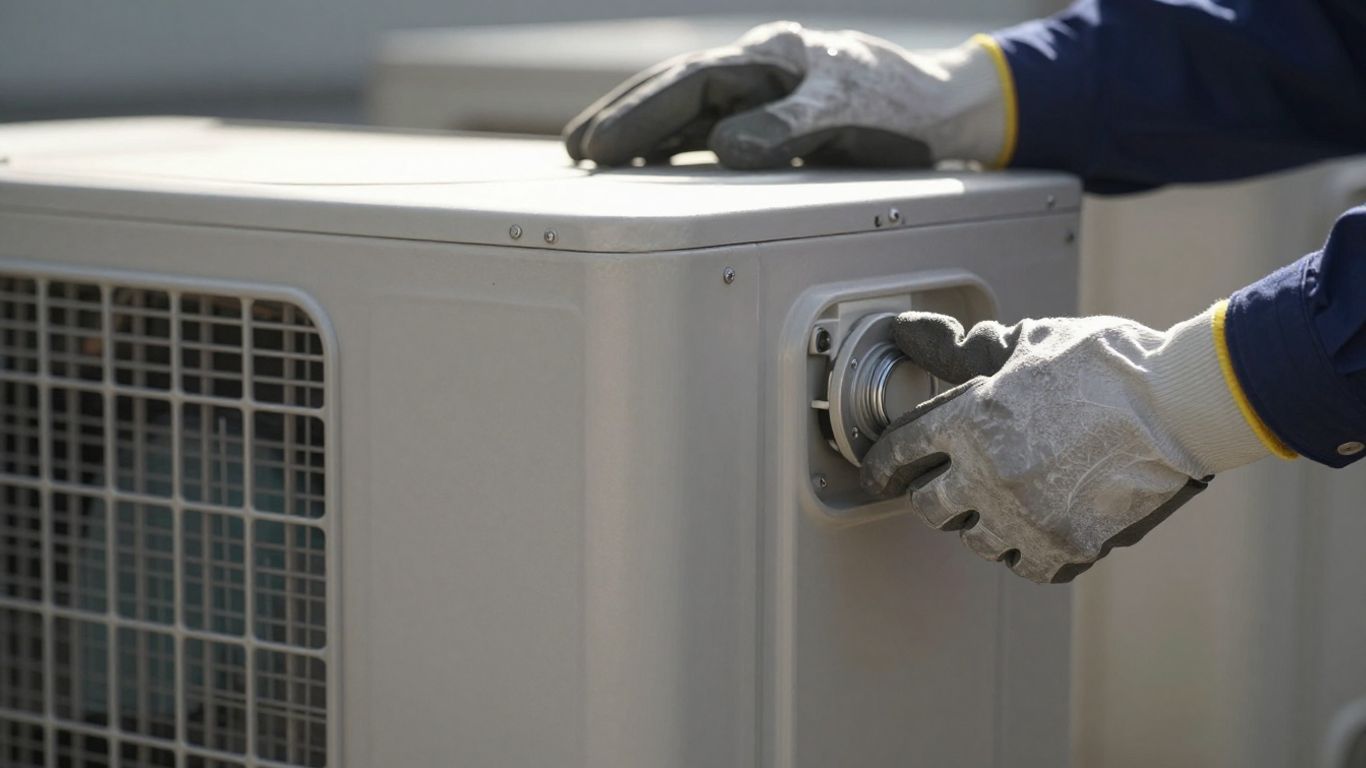
Look, sometimes you just need to call in the pros. While DIY checks are great for keeping things ticking over, there are some jobs that really need a trained eye. Getting a professional tune-up before the summer heat really kicks in is a smart move. It’s not just about fixing things when they break; it’s about preventing those annoying, and often expensive, breakdowns when you need your AC the most.
Benefits of a Tune-Up
So, what do you actually get when you book a professional service? For starters, you get peace of mind. Knowing that a qualified technician has gone over your system can save you a lot of worry. Plus, they can spot little issues before they turn into big, costly problems. Think of it like taking your car in for its regular service – it just runs better and lasts longer.
-
Reduced risk of unexpected breakdowns during peak cooling season.
-
Improved energy efficiency, which can lead to lower utility bills.
-
Extended lifespan of your HVAC equipment.
-
Better indoor air quality through professional cleaning and checks.
What Technicians Look For
When a technician comes out, they’re doing a lot more than just looking around. They have a checklist, and it’s pretty thorough. They’ll check things you might not even think of, like the electrical components and the overall system charge. They’re trained to spot subtle signs of wear and tear that could indicate future trouble. It’s a good idea to have them check your system annually, especially if you’re looking for reliable cooling services in Toronto.
-
Comprehensive system diagnostics.
-
Cleaning of internal components like coils and drain pans.
-
Lubrication of moving parts.
-
Testing of safety controls and operational pressures.
Scheduling Your Appointment
Don’t wait until the first heatwave hits to schedule your service. February is actually a pretty good time to get this done. The HVAC companies aren’t usually swamped with emergency calls yet, so you might have more flexibility with appointment times. Plus, getting it done early means any necessary repairs can be handled without the pressure of immediate need.
Booking a professional check-up is an investment in your home’s comfort and your budget. It’s about proactive maintenance rather than reactive repairs. A little bit of attention now can save you a lot of headaches later.
Getting your system checked by a professional is a solid step towards a cool and comfortable summer. It’s one of those things that just makes sense, especially when you consider the alternative of a broken AC on a sweltering day.
Get your home ready for warmer weather with our expert HVAC spring check-ups. We’ll make sure your air conditioner is running smoothly so you can stay cool and comfortable all season long. Don’t wait for the heat to hit – schedule your service today by visiting our website!
So, What’s the Takeaway?
Look, I know February feels way too early to even think about turning off the heat. But getting your HVAC system checked out now, before the spring rush, really just makes sense. It’s like getting your car serviced before that big road trip – you don’t wait until you’re stranded on the side of the highway, right? A little bit of preventative care now can save you a lot of headaches, and maybe even some cash, down the road. Plus, you’ll be ready to go when those warmer days finally hit, without any surprises. It’s just a smart move for a comfortable home all year round.
Frequently Asked Questions
Why should I start getting my HVAC system ready for spring in February?
Getting started early helps you avoid last-minute problems when the weather gets hot. It gives you enough time to fix any issues before you really need your air conditioner.
What can happen if I don’t prepare my HVAC system before spring?
If you skip early maintenance, your system might break down when you need it most. This could mean expensive repairs and uncomfortable days without cool air.
How often should I change my air filters?
It’s best to change your air filters every 1 to 3 months, especially before you start using your AC a lot. Clean filters help your system work better and keep your air cleaner.
Can I clean the outdoor unit myself?
Yes, you can gently clear away leaves, dirt, and sticks from around the outdoor unit. But if you see any damage, it’s smart to call a professional.
What are signs that my HVAC needs more refrigerant?
If your system isn’t cooling well, blows warm air, or you hear hissing sounds, it might need more refrigerant. A technician should check and refill it if needed.
Is it really necessary to have a professional check my HVAC each spring?
Yes, a professional can spot problems you might miss and make sure everything runs safely and smoothly. Regular check-ups help your system last longer and work better.